June 25, 2026
Homeowners seek peaceful environments. Creating a restful retreat requires mindful design choices. The materials selected for a living space dictate the atmosphere. Hard surfaces reflect sound waves and retain cold temperatures. Soft textiles absorb noise and hold warmth. Selecting the correct flooring transforms a basic house into a sanctuary. Woven materials provide a tactile experience that rigid floors lack. Individuals desire spaces that offer both visual appeal and physical comfort.
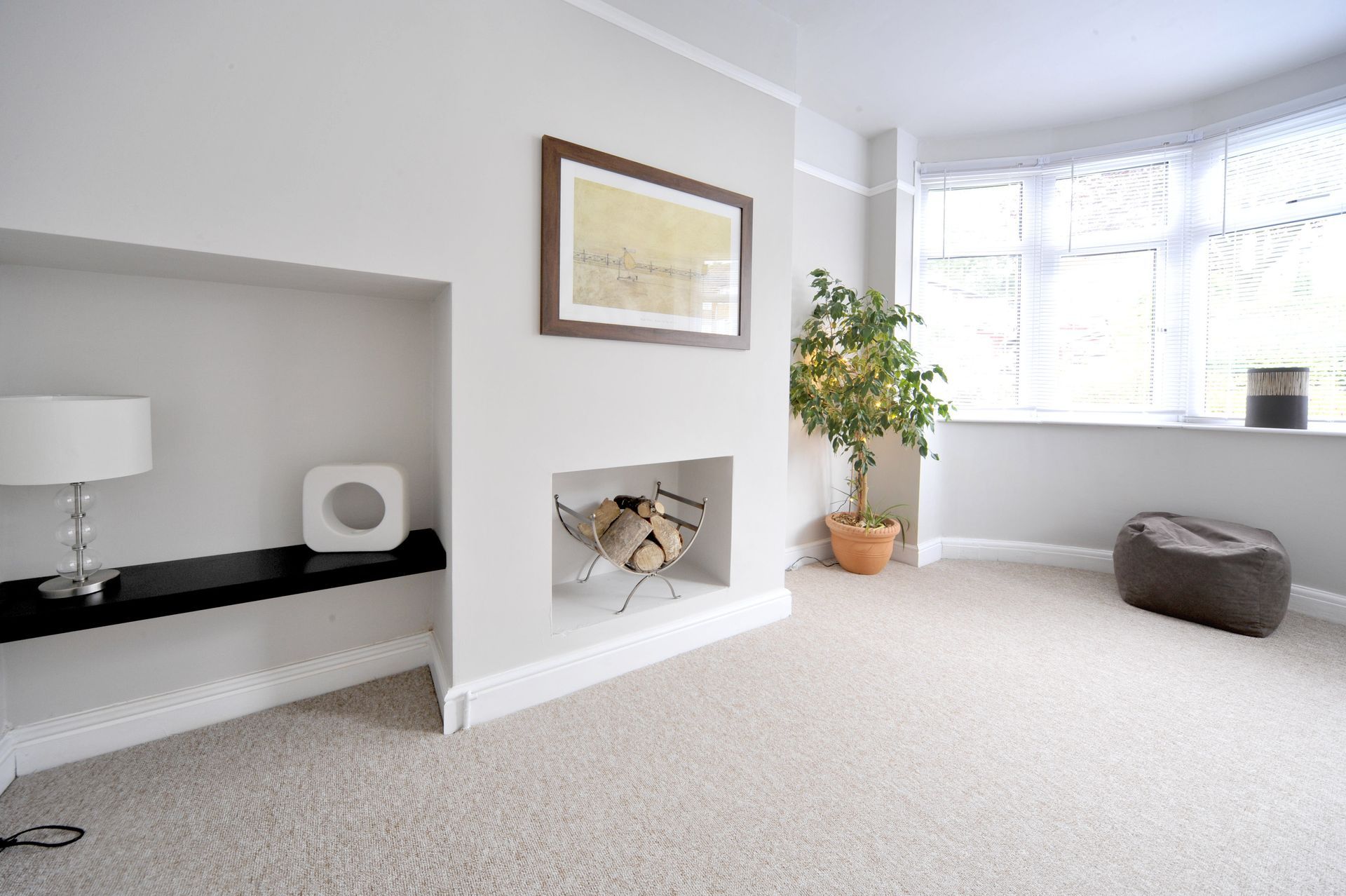
Deliberate interior design considers function and aesthetics. Carpet stands out as an essential element for optimizing indoor environments. This specific flooring option addresses common issues like echoing rooms and chilly winter mornings. Residents notice a shift in room dynamics when plush surfaces replace bare foundations. Beyond mere decoration, such materials serve practical purposes. They mitigate structural flaws and improve daily living conditions.
1. Promoting Relaxation Through Thermal Insulation
Temperature regulation provides household comfort. Woven floor coverings act as barriers against cold drafts. The fibers trap air within their structure. This trapped air forms a layer of insulation above the subfloor. Rooms with soft flooring maintain consistent temperatures throughout changing seasons. Occupants avoid chills on bare feet. According to HomeGuide, carpet covers about 60% of the interior in most homes. This prevalence highlights the material's recognized value in residential architecture.
Energy efficiency improves with physical comfort. Insulated floors reduce the strain on heating systems. Furnaces run with decreased frequency when rooms retain heat. Lower utility bills result from this thermal advantage. Woven materials block the transfer of cold air from basements or concrete slabs. Residents enjoy a cozy environment without constant thermostat adjustments. The physical composition of the fabric dictates its insulating properties. Thicker textiles yield greater thermal resistance.
Physical warmth creates well-being. Individuals relax with ease in temperate rooms. The soft barrier beneath the feet provides a comforting sensation. Rigid floors draw heat away from the body. Plush materials reflect that heat toward the occupants. Families gather on the floor for board games or movie nights. A warm foundation encourages such activities. The living space becomes an inviting area for social interaction.
Textile floors offer advantages during winter. Bare wood or tile creates an unwelcoming surface on frigid mornings. Fabric installations eliminate this discomfort. The transition from a warm bed to the floor becomes pleasant. This subtle detail enhances the daily routine. A stable indoor climate supports better health and mood. Occupants appreciate the dependable warmth provided by a fabric-covered foundation.
2. Enhancing Tranquility Through Acoustic Absorption
Noise pollution disrupts household peace. Everyday activities generate sounds that bounce off hard surfaces. Footsteps, conversations, and electronic devices contribute to the auditory clutter. Echoes amplify these noises. The resulting cacophony causes stress and fatigue. Controlling sound transmission remains vital for a serene environment. Carpet absorbs these sound waves and prevents reflection. The fibers catch the audio energy and diffuse it across the room.
Reducing ambient noise benefits occupants. Conversations become clearer without background reverberation. Televisions and music systems sound superior in treated rooms. Audio clarity improves because competing echoes disappear. Residents study or work with greater focus. A quiet environment supports deep concentration. Soft flooring acts as a massive acoustic panel spread across the room. This broad surface area maximizes sound-damping effects.
Multi-story houses face acoustic challenges. Foot traffic on upper levels creates distinct thumping sounds for the residents on the lower level. Hardwood transfers impact noise through the floor joists. Fabric installations mitigate this issue. The cushioned surface absorbs the initial impact of footsteps. Downstairs residents experience fewer disruptions. This separation of sound improves privacy among family members. All residents enjoy their respective activities without causing disturbances.
Padding beneath the flooring enhances acoustic benefits. This hidden layer provides additional mass and density. Sound waves struggle to penetrate multiple layers of varying materials. The combination of surface fibers and underlayment creates a sound barrier. Interior designers prioritize this combination in media rooms and bedrooms. A hushed atmosphere promotes restful sleep and relaxation. The absence of unwanted noise defines a high-quality living space.
3. Increasing Comfort Through Ergonomic Support
Standing on unyielding surfaces causes fatigue. Joints and muscles endure stress from rigid floors. Kitchens and living areas necessitate extended periods of upright activity. Concrete or tile provides no shock absorption. This lack of support leads to chronic aches. A plush floor covering offers a yielding surface. This flexibility cushions each step. Carpet conforms to the foot and reduces impact.
Ergonomic benefits extend to all ages. Children play on the floor for extended durations. A cushioned surface protects their knees and elbows. Toddlers learning to walk face frequent tumbles. Soft textiles minimize the risk of bumps and bruises. Older adults appreciate a forgiving foundation. Aging joints require gentle support during daily movement. The subtle bounce of woven fibers alleviates pressure on the skeletal system.
Texture contributes to tactile comfort. Different fiber types offer varying degrees of softness. Frieze or plush styles provide a luxurious feel beneath the feet. Berbers offer a firmer texture. Individuals choose the style that matches their physical preferences. The sensation of walking on a soft material induces relaxation. This tactile feedback communicates comfort to the brain. The physical environment shapes mental states.
Supportive floors transform resident interactions. People sit on the floor to read or socialize. Yoga and stretching exercises happen without the need for thick mats. The entire room becomes a usable surface. Furniture placement becomes secondary when the floor provides comfort. A room with a cushioned foundation feels welcoming. The focus shifts from finding a soft chair to enjoying the whole space.
4. Upgrading Ambiance Through Visual Warmth
Room appearance dictates emotional impact. Stark environments feel institutional and cold. Introducing rich textures alters the perception of a space. Woven floors add depth and dimension to interior designs. The interplay of light and shadow on the fibers creates visual interest. Matte surfaces absorb glare from large windows. This absorption softens the overall lighting of the room. Carpet anchors the decor and establishes a cohesive aesthetic.
Color selection dictates room psychology. Earth tones bring elements of nature into the house. Blues and greens evoke calmness. Deep reds or purples introduce a sense of luxury. The floor represents a massive visual canvas. Changing the color of this canvas transforms the whole room. A cohesive color palette brings harmony to the design. Textiles offer a broad spectrum of hues. This variety allows for precise matching with furniture and walls.
Patterns and textures add another layer of design complexity. Subtle geometric shapes create a modern aesthetic. Floral or intricate motifs suit traditional decor. The visual weight of a plush floor balances heavy furniture pieces. A room with bare floors gives an empty or unfinished impression. Fabric installations provide a sense of completion. The space feels grounded and intentional. Aesthetic comfort holds equal importance to physical comfort.
The psychological effect of a magnificent room is profound. Environments that look comfortable produce genuine relaxation. The visual cues of soft textiles prime the mind for rest. Guests perceive the home as inviting and hospitable. A beautiful living area encourages social gatherings. The investment in quality flooring yields massive dividends in daily enjoyment. The visual warmth of woven materials makes a house feel like a refuge.
A home acts as a sanctuary. Interior elements should promote peace. Woven floors achieve this goal by addressing both physical and auditory needs. Thermal resistance keeps the environment cozy. Sound absorption eliminates stressful noise. Ergonomic support protects the body from fatigue. Visual warmth completes the transformation of the space. Carpet remains an invaluable tool for crafting the ideal residential retreat. We invite you to contact us at Herrick Floor Coverings to explore how the right carpet can transform your living space. Let our team help you create the peaceful, quiet home you desire.