April 30, 2026
In today's market, choosing the right flooring store can be overwhelming with numerous options available. Whether you're renovating your entire home or simply updating a single room, asking the right questions is crucial to ensure you receive the best product and service. This guide will outline key questions to consider when contacting a flooring store to maximize your investment and achieve your desired results.
1. What Types of Flooring Do You Offer?
When contacting a flooring store, it is imperative to understand the variety of flooring materials they offer. Many stores carry an extensive range of options, including hardwood, laminate, vinyl, tile, and carpet, allowing customers to find the perfect match for their home. Inquiring about these materials helps assess the store's ability to cater to different styles and preferences. Each type of flooring comes with its unique advantages and drawbacks, so having access to a wide selection can enhance decision-making. Moreover, understanding the scope of the store's offerings may reveal unique choices such as bamboo or cork, which might align more closely with specific stylistic goals.
Eco-friendly flooring options have been gaining popularity as more consumers aim to reduce their carbon footprint. Asking the store about eco-friendly options can determine if they provide sustainable living solutions, such as reclaimed wood, linoleum, or natural stone. These options not only offer environmental benefits but can also contribute to a healthier indoor environment. Considering these options shows the store's commitment to modern, responsible business practices. Furthermore, these choices may come with certifications or eco-labels that validate their environmental impact.
Durability is a vital factor in selecting flooring, as it dictates the longevity and maintenance costs associated with each material. Each type of flooring has different durability factors, such as wear and tear resistance, scratch resistance, and moisture compatibility. Requesting comparisons between materials can help determine which option fits best with the household's lifestyle and usage. High-traffic areas may benefit from more durable options like porcelain tile or laminate. Conversely, rooms with less foot traffic might allow for more delicate or aesthetically appealing choices, like natural hardwood.
2. What Are the Pricing Options and Payment Plans?
A detailed pricing breakdown is essential for understanding the total cost associated with flooring purchases. Many flooring stores offer base prices, but additional costs such as installation fees, underlayment, and finishing can add up quickly. Transparent pricing allows customers to compare options accurately and prevents unexpected expenses that could impact a project's budget. Understanding what is included in the price also facilitates planning for any necessary financial arrangements. In addition, this understanding produces a clearer picture of the value being received for the money spent.
Payment flexibility can significantly impact a customer's purchasing decision by accommodating diverse financial situations. Inquiring about installment plans and financing options can provide peace of mind to those who may not be able to pay the full amount upfront. Offering various payment structures demonstrates the store's willingness to cater to a range of customer needs. It is also wise to ask about any interest rates or additional charges associated with financing. Flexible financing can make higher-quality options more accessible and manageable in the long term.
Price matching is another important aspect to explore with flooring stores, ensuring consumers receive competitive pricing in the market. Some stores offer price matching policies that guarantee their customers the best available deals. This commitment can build trust with customers, showcasing the store's dedication to fairness and value. Additionally, price matching can provide assurances that the store is staying current with market trends and willing to match competitor offers. According to IBIS World, there are approximately 122,000 flooring installation businesses in the United States, emphasizing the importance of competitive pricing to stand out.
3. What Services Do You Provide?
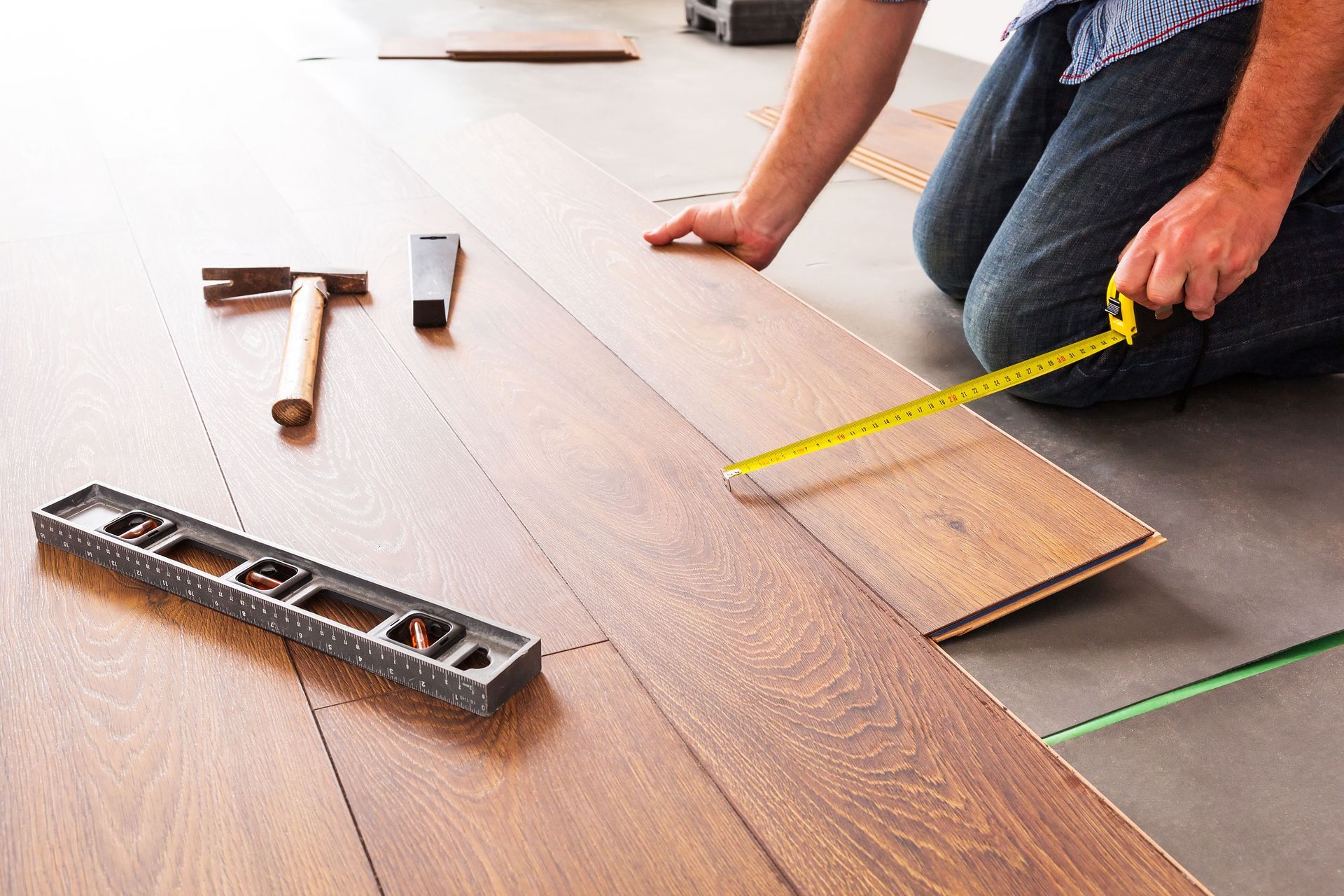
Professional installation services are as important as the flooring material itself, ensuring a seamless and high-quality finish. Many stores employ skilled installers familiar with their products and methods, leading to better results and reduced installation errors. Confirming the availability and scheduling of installation services allows for comprehensive renovation planning. Furthermore, professional installation often includes warranties to protect against unexpected issues down the road. These installations, performed with expertise, contribute to the flooring's durability and aesthetic appeal.
Delivery and pickup options are also crucial components of a flooring store's service offerings, affecting convenience and logistics for the customer. Larger flooring materials can be cumbersome, necessitating delivery services to assist in the transportation process. Discussing delivery logistics, rates, and timelines helps align expectations and ensures a smooth transition from purchase to installation. For customers with smaller vehicles or limited availability, pickup options within reasonable distances can save time and additional costs. These logistical aspects are vital in selecting a store that aligns with the project's requirements.
Consultation services, whether in-home or virtual, provide customers with expert guidance during the selection process. In-home consultations ensure that chosen materials complement existing décor, lighting, and spatial configurations. Virtual consultations, increasingly popular due to safety concerns, also provide valuable insights without the need for physical presence. These services demonstrate a commitment to customer satisfaction and individualized attention. Accessibility to expert designers and consultants aids in making informed, confident choices, ultimately enhancing the project's outcome.
4. What Installation Warranties Do You Offer?
The duration of warranty coverage is a critical consideration, as it provides protection for the customer against defects or installation errors. Warranties vary in length, with some stores offering coverages that last for a lifetime, while others may limit coverage to a specific number of years. Comprehensive warranties that extend several years can offer greater assurance and serve as a measure of the store's confidence in their product and installation quality. Longer warranties, however, may come with higher costs due to the extended coverage period. Understanding these warranty durations assists in weighing the long-term benefits against initial expenditures.
Exploring the scope of warranty coverage highlights what specific aspects of the installation are protected. Coverage might include issues related to material defects, incorrect installation, or unintended damage during setup. Customers should clarify whether the warranty applies to both the product and the labor to ensure complete protection. Distinctions and inclusions under the warranty should be clearly outlined in the agreement and understood by the customer. This clarity prevents misunderstandings and ensures appropriate coverage when necessary.
The process to file a warranty claim is another critical element that customers should fully comprehend before proceeding with their purchase. Simple, transparent processes reflect positively on the store's customer service and can substantially influence consumer trust. Knowing the steps involved in making a claim, required documentation, and estimated timeframes for resolution can alleviate frustrations should problems arise. This process should be customer-friendly, with adequate support from the store, to navigate any complexities. By understanding these procedures, customers remain prepared and confident in their ability to address any issues swiftly.
5. How Can I Assess Product Quality and Suitability?
In-store samples offer invaluable opportunities for customers to physically interact with flooring materials before making a purchase. Seeing and touching samples allow potential buyers to appreciate texture, color, and quality firsthand, which assists in decision-making. A store that provides abundant access to samples indicates its commitment to informed purchasing. Some flooring stores offer large sample pieces or sample borrowing services for customers to view in their home environment. This approach showcases the store's transparency and enhances customer confidence when selecting the right flooring.
Online reviews and customer testimonials serve as insightful resources for assessing product quality and customer satisfaction levels. Reading about experiences from previous buyers can offer detailed feedback, revealing both positive and negative aspects of the store's offerings. Well-reviewed stores are often those that deliver consistent quality and reliable service, creating a level of trustworthiness. Potential issues or recurring complaints may also be highlighted, equipping customers with forewarnings prior to purchase. Engaging with forums or community platforms can further diversify opinions and perspectives.
Choosing the right flooring is a significant decision for any home renovation project. By asking the right questions when contacting a flooring store, you can ensure that you make an informed decision. From understanding the range and quality of products to pricing, services, warranties, and safety measures, these inquiries will help you navigate the flooring market more effectively and secure the best options for your needs. Armed with this knowledge, you can confidently move forward with your flooring project. Reach out to Herrick Floor Coverings today to see how we can help you!